Vape Culture: Exploring the Rise of Vaping in Today's Society
Vape culture has emerged as a prominent phenomenon among young adults, motivated by the search for better alternatives and an array of flavor selections. Social media accelerates this movement, presenting vaping as a socially acceptable choice. Yet, the health concerns surrounding vaping remain debated, raising questions about safety. As vape retailers develop into neighborhood meeting points, the characteristics of this movement remain in constant flux. Where is this rapidly developing culture headed?
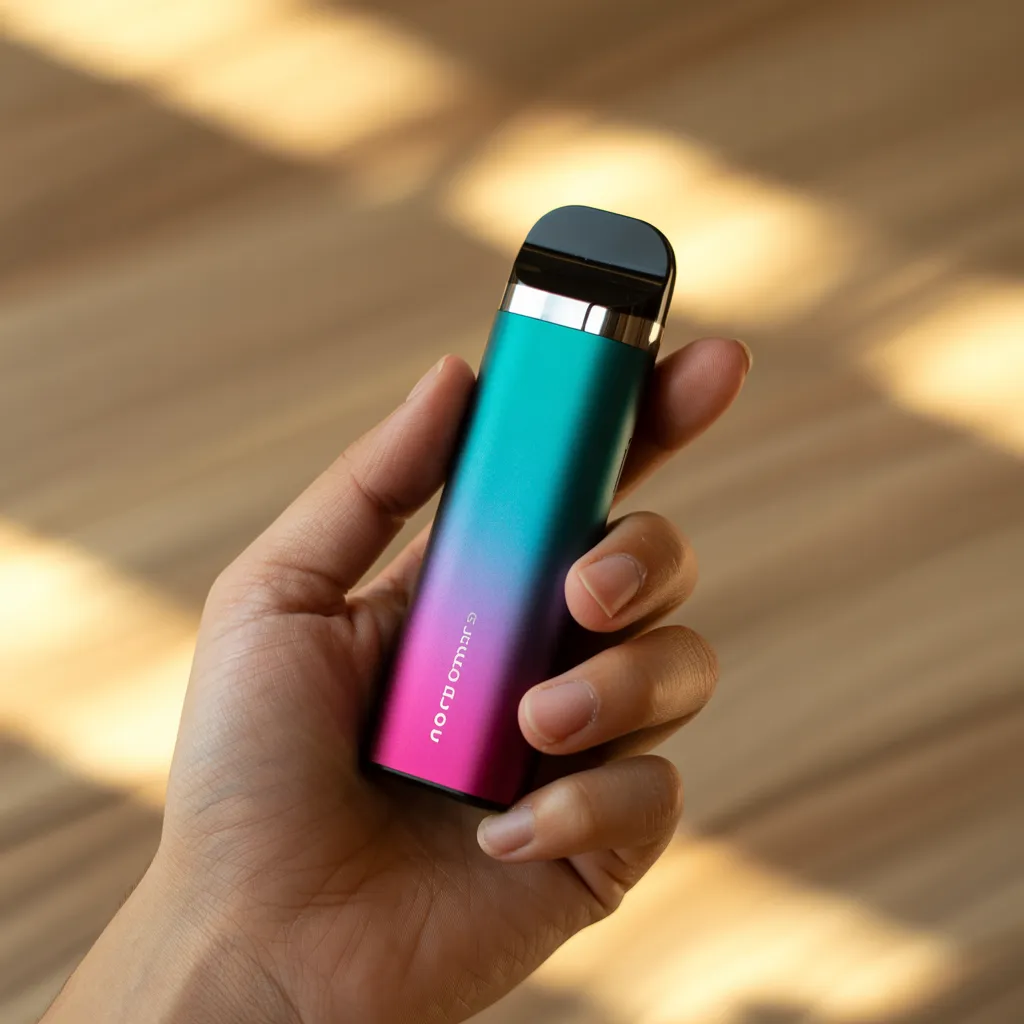
What Is Driving People to Switch to Vaping?
As knowledge of the health hazards connected to traditional cigarette use expands, many individuals are opting for vaping as a perceived safer alternative. This shift is driven by a combination of factors, such as the attractiveness of diverse flavors and adjustable features that vaping products offer. Many users appreciate the varied flavors, which range from fruity to dessert-inspired, making the experience more enjoyable compared to conventional tobacco. Additionally, vaping is often viewed as a more socially acceptable practice, particularly among younger demographics. The technology behind vaping devices also allows for a level of control over nicotine intake, appealing to those looking to reduce consumption gradually. Beyond that, the notion that vaping is less bothersome and leaves behind fewer persistent odors compared to smoking plays a role in its increasing prominence. As a consequence, a broad spectrum of individuals, including both former smokers and those new to nicotine use, are steadily embracing vaping as their preferred choice.
Is Vaping Truly Safe? The Health Discussion?
How safe is vaping compared to traditional smoking? This question has sparked considerable debate among health professionals and the public alike. Even though vaping is commonly presented as a less harmful substitute for smoking, the actual situation is considerably more complicated. Vaping devices usually include a smaller number of toxic chemicals compared to regular cigarettes, theoretically diminishing some associated health dangers. Nevertheless, vaping continues to deliver dangerous substances into the body, such as nicotine, which may result in dependency and possible heart-related complications.
Emerging research has raised concerns about the prolonged consequences of breathing in vaporized compounds, particularly since many ingredients in e-liquids remain unstudied. Furthermore, incidents of lung injuries associated with vaping have been reported, deepening the uncertainty about its overall safety. In the end, while vaping could pose less danger than cigarette smoking, it is far from entirely risk-free, demanding thoughtful evaluation from both users and policymakers.
Who's Joining the Vaping Trend?
What types of people are attracted to vaping? A diverse range of individuals finds appeal in vaping, spanning various age groups and backgrounds. Young adults, particularly those in their late teens to early twenties, often seek alternatives to traditional smoking, viewing vaping as a modern lifestyle choice. Many are motivated by the perception that vaping is less harmful and delivers a tailored experience through an array of flavors and nicotine options.
Moreover, former smokers shifting to vaping represent a significant demographic. They may see it as a means to reduce nicotine consumption while still enjoying the act of inhaling. Curiosity also drives some individuals, as the communal nature of vaping draws in those seeking to bond with others or discover new experiences. The trend's accessibility, combined with its perceived novelty, continues to draw a broad spectrum of participants into the world of vaping.
How Social Media Shapes Vape Culture
What role does social media play in shaping vape culture? Social media channels have emerged as key drivers in popularizing and normalizing vaping across diverse audiences. Through visually engaging content, influencers showcase vaping as a lifestyle choice, often emphasizing its aesthetic appeal and social aspects. Vaping-related hashtags and online challenges foster a sense of belonging, motivating users to exchange their experiences and personal preferences. Furthermore, platforms such as Instagram and TikTok enable users to create and distribute tutorials, vaping tricks, and product evaluations, boosting the exposure of vaping products and brands.
This continuous exchange cultivates an environment where vaping is not just a habit but a means of individual expression. The pervasive influence of social media accelerates tendencies, leading to swift changes in consumer preferences. As a result, social media serves as a double-edged sword, both promoting awareness of vaping and potentially glamorizing the habit, particularly among a younger generation.
How Vaping Impacts Lifestyle Decisions
Vaping has emerged as a major influence on modern lifestyle decisions, affecting everything from everyday social encounters to individual identity. For a great number of people, vaping acts as a social catalyst, enabling read the facts connections across both relaxed and professional environments. The act of vaping often creates a shared experience among users, fostering community bonds and establishing norms around social gatherings.
In addition, vaping has reshaped personal identity for certain people, distinguishing them from traditional smokers or non-smokers. The variety of flavors, devices, and brands enables people to display their unique tastes, fostering a sense of individuality.
Moreover, wellness perspectives related to vaping have driven lifestyle shifts; many individuals consider it a more health-conscious alternative to smoking, while others embed it within fitness and wellness narratives. Ultimately, vaping impacts decisions surrounding social interactions, personal expression, and well-being, demonstrating its deep influence over today's lifestyle choices.
Vape Shops: Community Hubs for Enthusiasts
In the evolving landscape of vaping culture, vape shops have become essential gathering places for dedicated vapers. These establishments serve as communal spaces where individuals can bond over their common enthusiasm for vaping. Beyond merely selling products, vape shops regularly hold community events, such as tasting sessions and hands-on workshops, cultivating a sense of community among their customers.
The experienced staff consistently share useful knowledge into the newest devices and e-liquid options, enhancing the overall vaping experience. This tailored service fosters trust and loyalty among the community. Moreover, vape shops commonly cultivate friendly environments, facilitating social engagement among patrons, which can lead to friendships and support networks.
As vaping continues to gain popularity, these establishments play a crucial role in cultivating a culture focused on discovery and learning. By prioritizing community engagement, vape shops not only enhance personal experiences but also help establish a vibrant, interconnected vaping culture.
Future Trends in Vape Culture
In what ways will vape culture transform as technology and social perspectives change? As vaping technology advances, innovations such as smart devices and customizable options are likely to attract a wider audience. Enhanced user interfaces and app integrations may facilitate personalized experiences, allowing consumers to track usage and flavor preferences. Additionally, the growing emphasis on health and wellness could reshape perceptions, leading to more acceptance of vaping as a less harmful alternative to smoking.
Policy modifications will further shape the landscape as regulatory bodies enforce stronger guidelines, producers could prioritize openness and excellence, encouraging a more ethical marketplace. Societal views are likely to change further, with vaping becoming more integrated into mainstream culture, much like artisan brewing or premium coffee. Ultimately, the future of vape culture will be characterized by a blend of technological innovation, regulatory oversight, and evolving public perceptions, forging a unique presence in modern culture.
Frequently Asked Questions
What Are the Most Popular Flavors Among Vapers Today?
Fruit-based flavors, particularly mango, watermelon, and berry, lead the vaping market at present. Indulgent dessert flavors, such as vanilla custard and rich chocolate, are also widely popular, appealing to those seeking sweet and indulgent experiences in their vaping choices.
How Much Do You Usually Spend on Vaping Each Month?
Monthly vaping costs typically range from $30 to $100, based on device type, usage habits, and e-liquid preferences. Regular users might notice significant cost variations according to their own preferences and vaping frequency.
Do Age Restrictions Apply When Buying Vape Products?
There are indeed age restrictions for buying vape products. Across many areas, individuals must be at least 18 or 21 years old, according to local legislation, to legally purchase vaping devices and related products.
Does Vaping Help Smokers Quit Cigarettes Entirely?
Vaping may assist some individuals in quitting smoking entirely by providing a less harmful alternative. That said, not everyone experiences the same benefits, and reliance on vaping can lead to continued nicotine dependence for others.
What Are the Most Common Misconceptions About Vaping?
Widespread misunderstandings about vaping involve the assumptions that it is completely safe, that it lacks any harmful ingredients, and that it exclusively leads to cigarette smoking. Such misconceptions can influence perceptions and behaviors surrounding vaping.